Erectile dysfunction (ED) impacts millions of men globally, and although the causes are often multiple, lifestyle choices hold a significant role.

Many men are unaware that their daily habits, including diet, physical activity, and sleep patterns, can have profound impacts on sexual health. In this article, we will explore how these lifestyle factors influence erectile function, supported by scientific evidence, real-world examples, and expert insights.
Understanding Erectile Function
Erections are the result of a complex process involving the nervous, vascular, and endocrine systems. When a man is sexually aroused, signals from the brain cause the blood vessels in the penis to relax, allowing blood to flow in and fill the spongy tissue. The blood is then trapped, resulting in an erection. Anything that disrupts this process—whether it's poor blood circulation, hormone imbalances, or mental health issues—can lead to ED.
The Role of Diet in Erectile Function
A healthy diet is one of the most crucial elements in maintaining good erectile function. Consuming the right foods promotes good cardiovascular health, which is directly linked to erectile performance. On the other hand, poor dietary choices can lead to obesity, diabetes, and high blood pressure—all major risk factors for ED.
Foods That Promote Erectile Health
- Heart-Healthy Diet: A diet rich in fruits, vegetables, whole grains, and lean proteins supports healthy blood flow. Foods high in omega-3 fatty acids, like salmon and flaxseeds, help improve circulation.
- Antioxidant-Rich Foods: Fruits such as berries, grapes, and pomegranates are packed with antioxidants that protect blood vessels and boost nitric oxide production, a molecule that aids in achieving erections.
- Nitrates: Leafy greens like spinach and arugula are high in nitrates, which convert into nitric oxide in the body, helping with vasodilation and improving blood flow to the penis.
Foods to Avoid
- Processed Foods: Diets high in trans fats, sugars, and sodium can lead to atherosclerosis (the narrowing of arteries), which impairs blood flow and can contribute to ED.
- Alcohol: While moderate alcohol consumption is often considered harmless, excessive drinking can lead to hormone imbalances and reduced sexual function.
Case Study: Mediterranean Diet and ED
Research has shown that men who follow a Mediterranean diet—rich in healthy fats, vegetables, and fish—experience lower rates of erectile dysfunction. A study published in the Journal of Sexual Medicine found that men adhering to this diet had better erectile performance and overall sexual satisfaction. These findings illustrate how diet can influence sexual health at a fundamental level.
Exercise and Erectile Function
Physical activity is another crucial lifestyle factor that affects erectile health. Regular exercise improves cardiovascular function, enhances blood flow, and supports hormone balance, all of which are essential for erectile function.

How Exercise Improves Erectile Health
- Improves Blood Flow: Aerobic exercises like running, swimming, or cycling increase heart rate and promote healthy circulation, directly benefiting the blood vessels that supply the penis.
- Hormonal Balance: Exercise helps increase testosterone levels, the hormone responsible for libido and sexual performance.
- Weight Management: Obesity is a significant risk factor for ED. Losing weight through exercise can reduce this risk by improving insulin sensitivity, lowering blood pressure, and improving vascular function.
Best Exercises for Erectile Health
- Kegel Exercises: These pelvic floor exercises strengthen the muscles responsible for erections and ejaculation control. Studies have shown that men who practice Kegel exercises regularly can significantly improve erectile function.
- High-Intensity Interval Training (HIIT): HIIT workouts have been linked to increased testosterone production, making them an effective strategy for combating ED.
- Aerobic Exercises: Cardiovascular exercises like jogging, cycling, or even brisk walking promote heart health and improve blood circulation, both of which are critical for maintaining erectile function.
Case Study: Exercise and ED
A 2020 study conducted by researchers from the Harvard School of Public Health found that men who engaged in 30 minutes of moderate exercise daily were 41% less likely to experience ED. This data underscores the importance of physical activity in maintaining sexual health.
Sleep and Erectile Health
Sleep is often an overlooked component of sexual health, but it plays an essential role in maintaining hormone balance, stress levels, and overall health.
The Link Between Sleep and Erectile Function
- Testosterone Production: Testosterone levels are highest in the morning, and poor sleep can drastically reduce these levels, contributing to ED.
- Mental Health: Sleep deprivation increases stress and anxiety levels, which are well-known contributors to sexual dysfunction.
- Circadian Rhythm: The body's internal clock, known as the circadian rhythm, regulates various biological processes, including sexual function. Disruptions to this rhythm, such as working night shifts or having irregular sleep patterns, can negatively affect erections.
Sleep Disorders and Erectile Dysfunction
Men who suffer from sleep disorders, such as sleep apnea, are more likely to experience ED. Sleep apnea is linked to decreased oxygen levels and hormonal imbalances, both of which impair erectile function. Treating sleep disorders often leads to improved sexual performance.
Modern Treatments and Medications for ED
While lifestyle changes can have a significant impact on erectile health, some men may require additional treatment. Modern treatments such as medications and innovative therapies can offer solutions for those experiencing ED due to medical conditions.
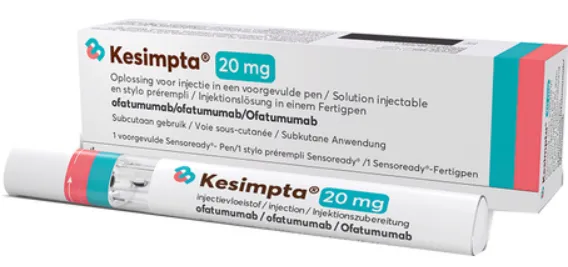
Kesimpta Injection
Although primarily used for treating autoimmune disorders, drugs like Kesimpta Injection illustrate advancements in the medical field that could extend to ED treatment. Emerging research into immune-modulatory therapies may lead to future applications in addressing certain types of erectile dysfunction, particularly in men with underlying inflammatory or immune conditions.
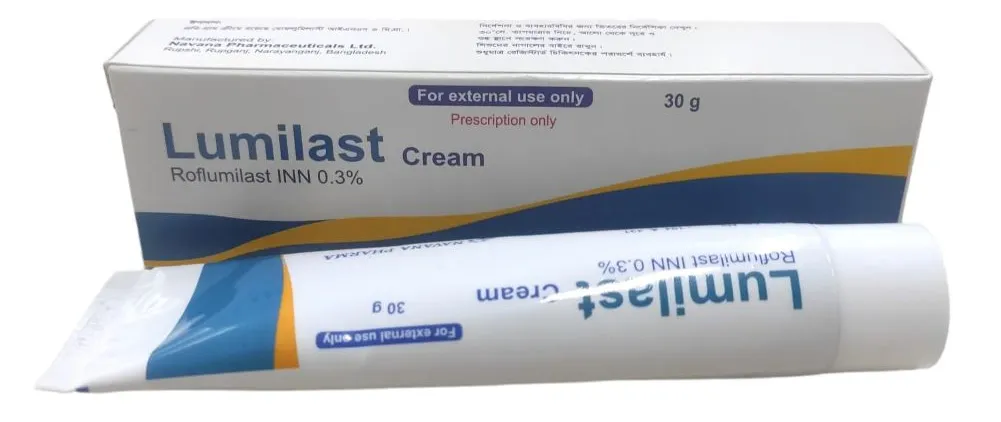
Roflumilast Cream 0.3
Roflumilast Cream 0.3, although mainly for treating skin conditions like psoriasis, reflects the rise of topical treatments. Innovations in topical applications could potentially be adapted to ED, focusing on localized blood flow enhancement.
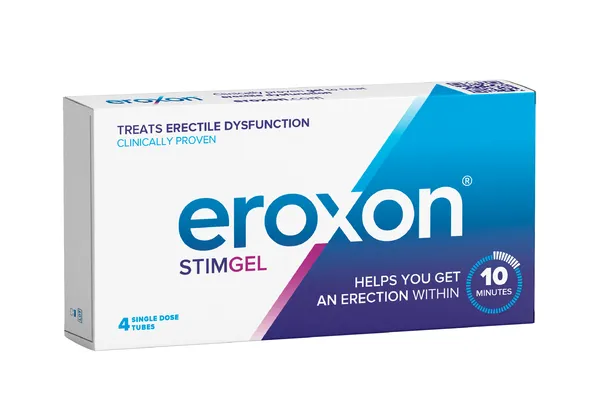
Other Treatments
- PDE5 Inhibitors: Medications such as sildenafil (Viagra) and tadalafil (Cialis) are widely used to treat ED by increasing blood flow to the penis.
- Penile Injections: For more severe cases, medications can be injected directly into the penis to stimulate an erection.
- Lifestyle Interventions: For those looking for non-pharmaceutical solutions, addressing physical and mental health through lifestyle changes remains one of the most effective methods.
Real-World Success Stories
Consider a 35-year-old software engineer who had been struggling with ED due to stress and poor dietary habits. After committing to regular exercise, improving his diet by adopting a Mediterranean plan, and seeking therapy for anxiety, his sexual performance drastically improved within months. This case is a testament to how lifestyle changes can reverse erectile dysfunction even in younger men.
The Future of ED Treatment
Ongoing research into stem cell therapy, gene therapy, and regenerative medicine is showing promising results. These treatments may revolutionize the approach to treating erectile dysfunction, offering more personalized and targeted interventions, particularly for those whose ED stems from genetic or developmental issues.
Personal Thoughts
Erectile dysfunction is not just a medical issue; it is influenced by a combination of lifestyle factors. Diet, exercise, and sleep play crucial roles in maintaining good sexual health. While modern medicine offers effective treatments for ED, focusing on a healthy lifestyle can serve as both a preventive and restorative measure. By understanding and adjusting these factors, younger men can maintain a high quality of life and reduce their risk of developing ED.