Erectile dysfunction (ED) is commonly regarded as an issue that primarily affects older men, but it can also have a significant impact on younger individuals. In fact, research indicates that approximately 26% of men under 40 years of age experience some form of erectile difficulty.

The reasons for this can be diverse, ranging from physical health problems to psychological stressors. In this comprehensive article, we will explore why erectile dysfunction occurs in younger men, how it can be treated, and the steps that can be taken to manage and enhance sexual health.
We will also incorporate some of the latest advancements in treatment, mentioning cutting-edge medications and treatments like Kesimpta Injection, Roflumilast Cream 0.3, and broader medical innovations to provide context for addressing ED.
Understanding Erectile Dysfunction in Younger Men
Erectile dysfunction refers to the persistent inability to achieve or maintain an erection sufficient for sexual intercourse. For younger men, this can be especially distressing due to societal expectations and the connection between sexual performance and masculinity.
While ED in younger men can occur for similar reasons as in older men (such as physical ailments like cardiovascular disease or diabetes), younger men often face a unique combination of psychological, lifestyle, and environmental factors.
Common Causes of ED in Younger Men
Psychological Factors
- Stress and Anxiety: High levels of stress, whether from work, relationships, or social pressure, can trigger ED. For younger men, performance anxiety is also a significant contributor.
- Depression: Mental health conditions such as depression can lower libido and cause ED. Depression can suppress the brain's ability to signal sexual arousal.
- Relationship Issues: Tension or dissatisfaction in relationships can also lead to ED. Emotional closeness plays a major role in sexual performance.
Physical Health Conditions
- Obesity: Excess weight, particularly around the abdomen, can impair blood flow, contributing to ED.
- Diabetes: Even in younger men, diabetes can damage nerves and blood vessels, which are essential for healthy erections.
- Heart Disease: Vascular conditions, which affect blood flow, can impact the ability to achieve an erection.
Lifestyle Choices
- Smoking: Smoking damages blood vessels and reduces blood flow to the penis, leading to ED.
- Alcohol and Drug Use: Overconsumption of alcohol and the use of recreational drugs can impair sexual performance and lower libido.
- Sedentary Lifestyle: A lack of physical activity contributes to weight gain, poor cardiovascular health, and reduced testosterone levels, all of which can lead to ED.
Success Stories and Case Studies
A well-known example is a professional athlete in his 30s who faced ED due to the stress of high performance. After seeking therapy and focusing on stress management, his sexual health improved, and he regained confidence. This highlights how addressing the psychological component can have a profound effect on sexual function.
Addressing ED in Younger Men: Treatment Options

The treatment for erectile dysfunction is highly individualized, depending on the underlying causes. Below, we explore various options ranging from lifestyle changes to medical interventions.
1. Lifestyle Changes
For many younger men, improving overall health can alleviate symptoms of ED. The following lifestyle adjustments can help:
- Exercise: Regular physical activity improves blood flow, boosts testosterone, and reduces stress.
- Diet: A heart-healthy diet rich in fruits, vegetables, whole grains, and lean proteins can improve vascular health.
- Quit Smoking and Limit Alcohol: Reducing or eliminating these substances can restore blood flow and improve erectile function.
2. Psychotherapy
Psychotherapy, particularly cognitive-behavioral therapy (CBT), can be beneficial for men whose ED is rooted in psychological factors. CBT focuses on altering negative thought patterns related to sexual performance and stress.
Couples therapy is another effective method for addressing relational dynamics that may contribute to ED. Open communication between partners can reduce anxiety and build emotional intimacy, which often enhances sexual performance.
3. Medical Treatments
Younger men who experience more persistent ED may require medical treatments. There are several effective options available, each targeting different causes of ED.

- PDE5 Inhibitors: Drugs like sildenafil (Viagra) and tadalafil (Cialis) are popular oral medications that increase blood flow to the penis. These medications are often the first line of defense for men with ED and are highly effective in many cases.
Pros: Convenient and relatively fast-acting. They work for a large percentage of men and are non-invasive.
Cons: They may cause side effects like headaches or dizziness and are contraindicated for men taking nitrates for heart conditions. - Kesimpta Injection: Although this medication is primarily used for autoimmune conditions like multiple sclerosis, it illustrates the advancements in immunomodulatory treatments that could influence future ED therapies, especially for cases linked to immune disorders.
- Roflumilast Cream 0.3: This treatment for skin conditions (psoriasis) serves as an example of the innovation in topical treatments that might one day be applicable to ED when administered locally to improve blood flow or tissue health.
4. Vacuum Devices
Vacuum erection devices (VEDs) are another non-invasive option. These devices create a vacuum around the penis, pulling blood into the organ to induce an erection. A constriction ring is placed at the base of the penis to maintain the erection.
- Pros: Effective for many men who cannot or prefer not to take medication. Non-invasive and drug-free.
- Cons: The device can be cumbersome and may not feel natural.
5. Penile Injections and Urethral Suppositories
For men who do not respond to oral medications, alprostadil can be injected directly into the penis or inserted as a urethral suppository. Alprostadil increases blood flow to the penis, producing an erection.
6. Penile Implants
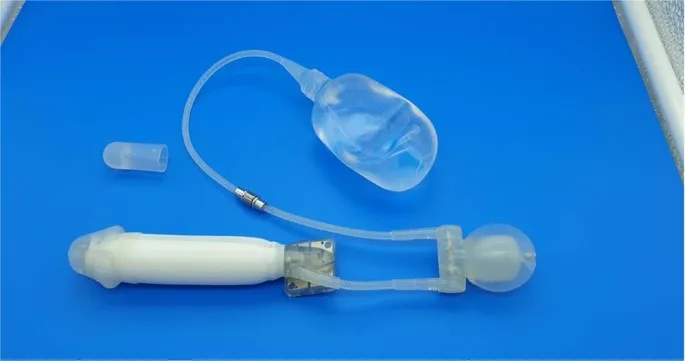
Penile implants are generally considered a last resort for men who have not responded to other treatments. They involve surgically implanting a device inside the penis that allows the man to manually create an erection when needed.
- Pros: Highly effective for men with severe ED, with satisfaction rates over 90%.
- Cons: Surgical risks include infection and mechanical failure of the device.
Prevention: What Can Younger Men Do?
Younger men can take proactive steps to prevent ED by focusing on their physical and mental health:
- Regular Exercise: Keeps blood vessels and heart healthy, which is crucial for erectile function.
- Healthy Diet: Reduces the risk of obesity, diabetes, and cardiovascular problems, all of which contribute to ED.
- Mental Health: Managing stress and anxiety is key. Seeking therapy or counseling can help manage these issues before they lead to ED.
- Open Communication: Having open conversations with partners about sexual health and expectations can ease pressure and reduce performance anxiety.
The Future of ED Treatment
With advancements in medicine, such as Kesimpta medication and emerging biological therapies, the future of ED treatment may involve even more targeted and personalized approaches. Additionally, ongoing research into gene therapy and stem cell therapy offers promise for the future treatment of erectile dysfunction, especially for younger men with genetic or developmental issues.
Personal opinion
Erectile dysfunction is not just a problem for older men—it can also affect younger men, often for different reasons. Whether the cause is psychological, physical, or lifestyle-related, effective treatments are available. By addressing the root causes and exploring a range of options, younger men can regain their sexual confidence and improve their quality of life. With advancements in medicine, there is hope for even more innovative and personalized treatments in the future.
Whether it's through lifestyle changes, therapy, or cutting-edge medical treatments, the path to overcoming ED is filled with opportunities for a healthier and more fulfilling life.