Faster and More Affordable Than an RN! 5 Key Reasons to Choose an LPN Program
Are you eager to enter the healthcare industry but feel concerned about the time commitment and high costs? The Licensed Practical Nurse (LPN) program offers a practical, affordable, and faster pathway into nursing compared to the Registered Nurse (RN) program. In this article, we'll explore 5 key reasons why an LPN program might be the best choice for you.
1. Quick Path to Employment
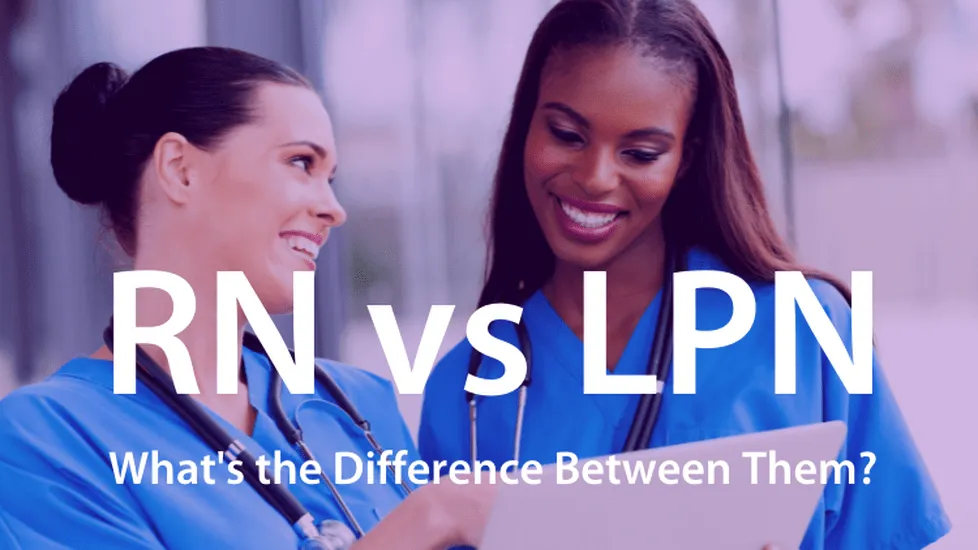
An LPN program can be completed in just 12-18 months, whereas RN programs often take 2-4 years. This makes LPN a great choice for individuals who want to start working quickly. Once you complete the program, you'll have the skills necessary to enter the healthcare field and start gaining experience.
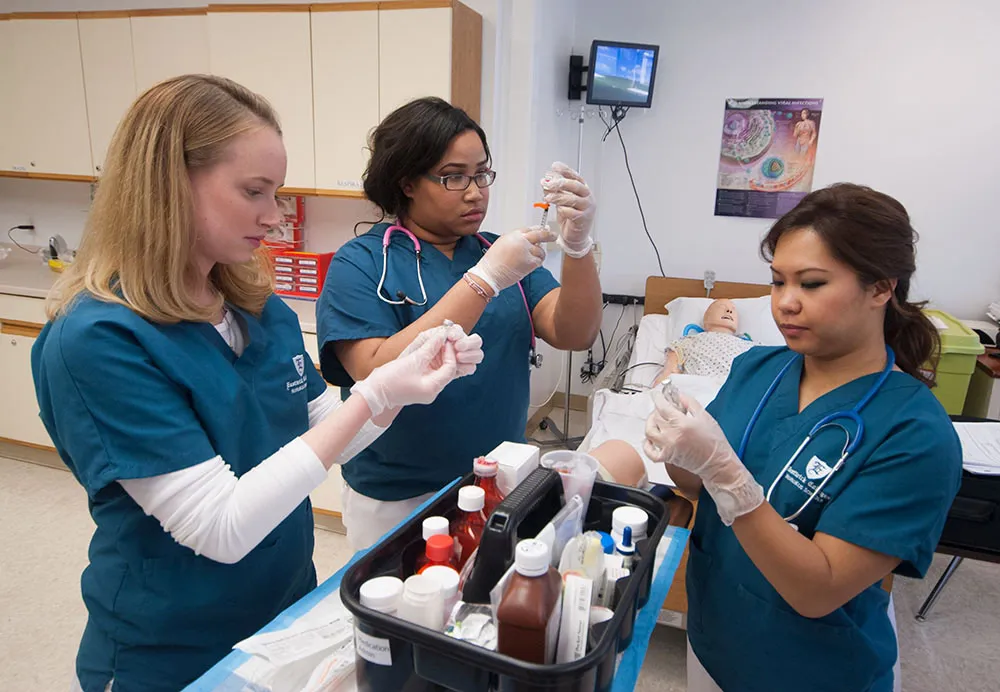
The LPN curriculum includes training in patient care, medication administration, and vital sign monitoring, ensuring you are prepared for a wide range of healthcare tasks.
Ideal for:
Career changers looking for a fast route into healthcare
Individuals who want to start working quickly while continuing their education
2. Affordable Tuition and Financial Support
Compared to the high tuition fees of RN programs, LPN programs are generally much more affordable. Most LPN programs range from $5,000 to $16,000 in tuition, making it a far more cost-effective option for those looking to break into nursing without going into debt.
Additionally, many schools and healthcare providers offer financial assistance. Federal programs like FAFSA, state-funded scholarships, and employer-sponsored tuition reimbursement are often available to LPN students.
Money-saving tips:
Apply for federal financial aid (FAFSA)
Look for scholarships and grants for LPN students
Choose community colleges or online programs that offer lower tuition rates
Explore state-specific nursing programs like the Nursing Education Incentive Program
These resources can significantly reduce your educational expenses, allowing you to focus more on your studies and less on debt.
3. High Demand and Job Security
The demand for healthcare workers, including LPNs, continues to rise, especially with the aging population and increased healthcare needs. LPN job growth is projected to increase by 18% between 2019 and 2029, which is faster than the average for most occupations, according to the U.S. Bureau of Labor Statistics.
LPNs can find employment in a variety of settings, including:
Hospitals and rehabilitation centers
Nursing homes and long-term care facilities
Home healthcare services
The average salary for LPNs is around $65,000 per year, with higher salaries possible in specialized fields like geriatrics or home healthcare.
(source: U.S. Bureau of Labor Statistics https://www.bls.gov/oes/current/oes311011.htm )
4. Career Advancement and Opportunities
The LPN role is an excellent stepping stone within the nursing field. Many LPNs choose to advance their careers by transitioning into Registered Nurse (RN) positions through LPN-to-RN bridge programs. This path can increase earning potential and provide more responsibilities in patient care.
Employers may also offer tuition reimbursement programs, allowing LPNs to continue their education while still earning an income. In addition to advancing to an RN role, LPNs can further specialize in areas like pediatrics, oncology, or wound care, increasing their job marketability.
5. Flexible Learning and Scheduling Options
One of the key benefits of an LPN program is its flexibility. Many programs offer evening and weekend classes, which allow students to work while they study. There are also options for online LPN courses, providing a great balance between in-person training and remote learning.
Flexible learning options benefit those who need to:
Balance work and school
Care for family members
Study at their own pace
This flexibility makes it possible for a wide range of students to pursue a nursing career without sacrificing their personal lives.

4. Career Advancement and Opportunities
The LPN role is an excellent stepping stone within the nursing field. Many LPNs choose to advance their careers by transitioning into Registered Nurse (RN) positions through LPN-to-RN bridge programs. This path can increase earning potential and provide more responsibilities in patient care.
Employers may also offer tuition reimbursement programs, allowing LPNs to continue their education while still earning an income. In addition to advancing to an RN role, LPNs can further specialize in areas like pediatrics, oncology, or wound care, increasing their job marketability.
5. Flexible Learning and Scheduling Options
One of the key benefits of an LPN program is its flexibility. Many programs offer evening and weekend classes, which allow students to work while they study. There are also options for online LPN courses, providing a great balance between in-person training and remote learning.
Flexible learning options benefit those who need to:
Balance work and school
Care for family members
Study at their own pace
This flexibility makes it possible for a wide range of students to pursue a nursing career without sacrificing their personal lives.
Related Issues
HCA Healthcare Online LPN Program: The Fastest Way to Become a Nurse
Do you want to become a licensed practical nurse (LPN) but don’t want to spend years in lengthy academic training? HCA Healthcare’s online LPN training program offers a fast and efficient pathway to help you launch your nursing career. With this program, you can study from the comfort of your home, at your own pace, and gain the essential skills and knowledge needed to quickly enter the healthcare industry.
Unlock Your Future: Free LPN Training at HCA Healthcare
As the nursing shortage continues to escalate, HCA Healthcare is taking decisive action to build a robust workforce by offering a free Licensed Practical Nurse (LPN) training program. This initiative not only aims to fill essential nursing roles but also provides aspiring healthcare professionals with unparalleled benefits, making it an excellent choice for those eager to start a rewarding career in nursing.
Free LPN Courses, How Much Do You Know?
In today's evolving medical field, becoming an LPN is the dream of many. The demand for nursing professionals is increasing yearly. The emergence of free LPN courses provides an opportunity for those limited by economic conditions. These courses not only save tuition fees but also allow more people to access professional knowledge and skills, opening up a path to the nursing profession. However, what do you really know about them?This post will explore various aspects of free LPN classes.